
Marine and Aviation Insurance
MARINE CARGO
MARINE CARGO
MARINE CARGO
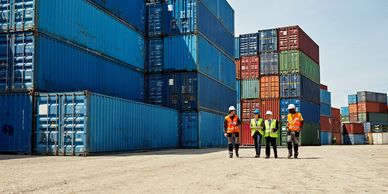
What It Covers: Loss or damage to goods during transit by sea, air, or land (if incidental to the voyage).
Main Perils - Risk Coverage
Perils of the Sea: Extraordinary events like storms, waves, and natural hazards that cause damage (not just ordinary wear and tear).
Fire or Explosion: Damage to cargo due to accidental fire or explosion during transit.
Sinking, Stranding, or Capsizing: Total or partial loss if the carrying vessel sinks, runs aground, or overturns.
Collision or Contact: Damage due to the carrying vessel colliding with another vessel, pier, or floating object.
Jettison: Deliberate throwing overboard of cargo to lighten the ship and save it from peril.
General Average Contribution: The insured cargo’s share in losses or expenses voluntarily incurred to save the vessel and remaining cargo.
Theft or Pilferage: Loss due to unlawful taking of goods (if the policy includes pilferage extension).
War Risk, SRCC: Damage caused by war, strikes, riots, or civil commotions (only if specifically endorsed).
In addition to marine cargo insurance, it’s essential to consider related coverage options like marine hull insurance and aviation insurance for comprehensive protection.
Sample list of Document Requirements For Policy Application / Coverage Binding
📄 Commercial Invoice – Indicates the value of goods to be insured.
📦 Packing List – Details the contents, packaging type, and weight/volume.
🚢 Bill of Lading / Airway Bill – Proof of shipment, carrier, and destination.
🏢 Consignee and Shipper Details – Full name, address, and contact information.
📍 Description of Goods – Type, nature, and condition of the cargo.
💰 Sum Insured / Declared Value – Usually invoice cost + freight + 10% (or agreed uplift).
📆 Voyage Details – Point of origin, destination, transshipment ports, ETD, and ETA.
🛳 Mode of Transport – Vessel name, voyage number, carrier details.
✅ Insurance Application Form – Standard form provided by the insurer.
✅ Vessel Safety Certificate
Sample list of Document Requirements For Claims (if loss/damage occurs)
📄 Original Insurance Policy / Certificate of Insurance
🚢 Original Bill of Lading / Shipping Receipt
📦 Commercial Invoice and Packing List
📝 Notice of Loss / Claim Form – Timely written notification to the insurer.
📸 Survey Report or Inspection Certificate – Issued by a licensed marine surveyor.
📷 Photos of Damaged Goods
🛳 Statement of Facts / Protest Letter – From the carrier regarding the incident.
MARINE HULL
MARINE CARGO
MARINE CARGO
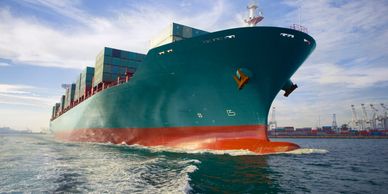
What It Covers: Physical loss or damage to the vessel (hull, machinery, and equipment) and related liabilities, similar to what is addressed in marine cargo insurance and marine hull insurance policies.
Main Perils - Risk Coverage
Perils of the Sea: Heavy weather, grounding, waves causing hull breaches or structural damage.
Fire or Explosion: Accidental fire onboard or in storage areas damaging the ship.
Sinking or Capsizing: Total loss when the vessel goes underwater or overturns.
Collision Liability: Costs if the insured vessel damages another vessel or property.
Salvage and Towage: Expenses incurred to save or recover the vessel after an accident.
General Average: Vessel owner’s obligation to contribute to expenses made to save the ship and cargo.
Piracy: Theft or seizure of the vessel by pirates (covered if included in policy).
War and SRCC Risks: Optional cover for war-related damages, strikes, and civil unrest affecting the vessel.
Sample list of Document Requirements For Policy Application / Coverage Binding
🛳 Vessel Information Sheet – Includes name, type, year built, gross tonnage, flag, classification, and IMO number.
⚙ Engine and Machinery Details – Make, model, horsepower, and condition.
📜 Certificate of Ownership / Vessel Registry – Proof of legal ownership and registration.
📝 Survey Report / Condition Report – Recent inspection by a licensed marine surveyor to verify seaworthiness.
🏢 Owner/Operator Profile – Experience, operational history, and safety records.
📍 Trading Limits / Navigation Area – Geographic limits where the vessel will operate.
📆 Period of Insurance – Usually annual; specify start and end dates.
💰 Agreed Value (Sum Insured) – Typically based on market value or replacement cost.
✅ Completed Insurance Application Form – Provided by the insurer.
Sample list of Document Requirements For Claims Processing
📄 Original Insurance Policy / Cover Note
🛳 Vessel Logbook Extracts – Records of the incident (date, time, location, weather).
📜 Survey Report (Damage Assessment) – Conducted by an approved surveyor.
📝 Statement of Facts / Protest Letter – Prepared by the captain or master of the vessel.
📸 Photographs of Damage – Clear images of affected areas.
💰 Repair Estimates / Invoices – Itemized cost for parts and labor.
🏛 Port or Coast Guard Reports – If required for collision, grounding, or sinking incidents.
⚠ Third-Party Claims Documentation – For liability-related cases (e.g., collision).
AVIATION
MARINE CARGO
AVIATION

What It Covers:
Aircraft Hull Insurance – This insurance provides coverage for accidental physical loss or damage to the aircraft, including engines and equipment, due to events such as fire, explosion, theft, collision, or natural hazards. It is a critical component of aviation insurance.
Aircraft Liability Insurance – This aspect of aviation insurance protects against legal liabilities for third-party bodily injury, death, or property damage that could arise from aircraft operations.
Passenger Liability Insurance – This coverage offers compensation to passengers or their families for injury, disability, or death resulting from an aviation accident, ensuring safety for those on board.
Cargo Liability Insurance – This insurance covers loss or damage to cargo during air transit, which may be caused by fire, crashes, emergency landings, or other covered perils, similar to marine cargo insurance in its function for transport safety.
Crew Personal Accident Insurance – This policy provides financial protection to pilots and crew members in the event of accidental injury, disability, or death while they are performing their duties.
War & Allied Perils Extension – An optional coverage that includes risks associated with war, terrorism, hijacking, and civil disturbances, adding an extra layer of protection for aircraft operations.
Sample list of Document Requirements For Policy Application / Coverage Binding:
🛩 Aircraft Details – Include make, model, serial number, year of manufacture, seating capacity, and current market value.
📜 Certificate of Registration – Proof that the aircraft is registered with the Civil Aviation Authority of the Philippines (CAAP).
✈ Airworthiness Certificate – Ensures the aircraft meets all safety and operational standards.
👨✈️ Pilot Information – Details such as licenses, ratings, flight hours, and experience.
📝 Usage Details – Specify whether the aircraft is used for private, commercial, charter, cargo, agricultural, etc.
📍 Base of Operations and Geographic Limits – Where the aircraft is primarily stored and operated.
📆 Coverage Period – Typically annual, with defined start and end dates.
💰 Agreed Value (Sum Insured) – Usually based on the appraised or market value of the aircraft.
✅ Completed Insurance Proposal Form – A standard form from the insurer.
Sample list of Document Requirements For Claims Processing:
📄 Original Insurance Policy / Cover Note
✈ Pilot’s Report / Captain’s Statement – Details regarding the incident.
📜 Accident or Incident Report – Issued by CAAP or relevant authorities.
📸 Photographs or Videos of Damage
📝 Maintenance and Flight Logs – Records of the aircraft’s last flights and upkeep.
💰 Repair Estimates / Invoices – From licensed repair facilities.
👥 Passenger Manifest & Injury Reports – If passengers are involved.
⚠ Third-Party Damage Reports – Required for liability-related cases.
